

Detox From Alcohol
The process of detoxing from alcohol is a lengthy process. Enrolling in a medically-assisted detox program at a rehab treatment center is crucial to reduce withdrawal symptoms and prevent them from becoming severe.
Being surrounded by a network of support around you is crucial during the detoxification process. Having friends and family nearby can assist you in resisting the urge to drink and stay sober. It is helpful to have little or no alcohol readily available.
Self-detoxification at home
It's due to mental or physical issues, alcohol dependence can have devastating consequences. It can cause strained relationships, financial problems, and even a decline in job performance. It is essential to seek medical attention as soon as you can if you're struggling with alcoholism. Alcohol detox is the security to break your dependence on alcohol and start the process of recovery.
The detox process isn't easy, and some people may experience severe withdrawal symptoms. It is best to go through detox at a treatment center under the supervision of medical professionals. During detox, you'll be provided with round-the-clock medical attention and prescribed medications to ease withdrawal symptoms. You will also have access to a treatment counselor for guidance and emotional support.
If you are looking to detox from alcohol at home, there are some steps you can take to prepare yourself for the process. The first step is to get rid of any alcohol from your home. This will prevent you from drinking whenever cravings occur. Another important step is to stay hydrated by drinking plenty of water. This is because you'll likely sweat more during detox and this could lead to dehydration. Also, avoid sugary drinks, because they can trigger cravings.
In addition to eliminating alcohol from your home, you must also avoid those who are involved in alcohol consumption. This will help you resist temptation and keep you on track with your detox goals. To help keep your mind off during your detox, you can also meditate and deepen your breathing.
There are many ways to ease your symptoms, even though alcohol detox at home can be difficult. You can eat a healthy diet and exercise regularly, and surround yourself with supportive friends. A solid support system can aid you in overcoming addiction and maintain sobriety.
Alcoholism is dangerous but it is also manageable. With the right support, you can successfully detox from alcohol at home. You should also remember that self-detoxing at your home is not recommended, especially for those who have pre-existing health issues.
At-home detox
A home detox is an the ideal option for those who want to cut down on drinking. It is safe for the majority of people, provided that you follow the recommended guidelines. The best method to detox is gradually decreasing your alcohol intake over a period of several days or weeks before you quit completely. This will prevent withdrawal symptoms from getting worse. It is also important to eat healthy foods and drink plenty of fluids during the detox period. Drinking water can also help stop dehydration, which can be a common occurrence during alcohol withdrawal.
If you are trying to detox at home, it is crucial to have the proper support system. It will help you overcome cravings and stay focused throughout the process. There are support groups online or in your neighborhood, or ask friends and family members for advice. You can also utilize mindfulness practices like deep breathing and meditation in order to deal with cravings or other problems. Beware of drinking in front of other people to avoid temptation.
If you have a history of alcohol dependence and you are suffering from a medical condition, you should seek medical help prior to attempting to detox at home. This is because severe withdrawal can cause hallucinations and incoherent speech (delirium tremens). It is also essential to speak with your doctor prior to beginning drinking again.
It is also recommended to avoid alcohol at all costs. Keep a stash of food and water in your pantry so you can avoid binge drinking. Also, be sure to get rid of any alcohol and throw away any alcohol-related drinks you might have. This will give you less temptation and increase your chance of success.
With the proper planning it is possible to do an at-home detox. If you have a history of physical or mental health issues that can be exacerbated by withdrawal from alcohol, or if you've previously attempted self-detox but had issues and issues, it's recommended to talk to an expert medical professional for a more comfortable and successful detox. Inpatient detox in the hospital is more comfortable and safe than self-detox at home, since you'll have access to medical assistance 24 hours a day.
Inpatient detox
It is possible to undergo medical detox if you have a severe alcohol dependence. This process is meant to rid you of harmful toxins and prepare you for your treatment. Detox is typically part of an residential rehabilitation program. Inpatient detox is usually performed in a alcohol and drug treatment facility. It could last between 3 and 14 consecutive days. During this period, you will be required to go to the center every day for treatment sessions that may last for several hours. The first session is an intake exam where you'll talk about your past experiences with substance abuse and mental problems. You will also undergo an exam for physicals and blood work done.
During the detox process during the detox period, you will be offered medications to ease withdrawal symptoms. Benzodiazepines are frequently used during this phase and can aid in relieving muscle spasms, anxiety and insomnia. The dosage will vary depending on your requirements however, you're likely to be prescribed long-acting benzos like chlordiazepoxide (Librium) and diazepam (Valium), for a period of three or more days.
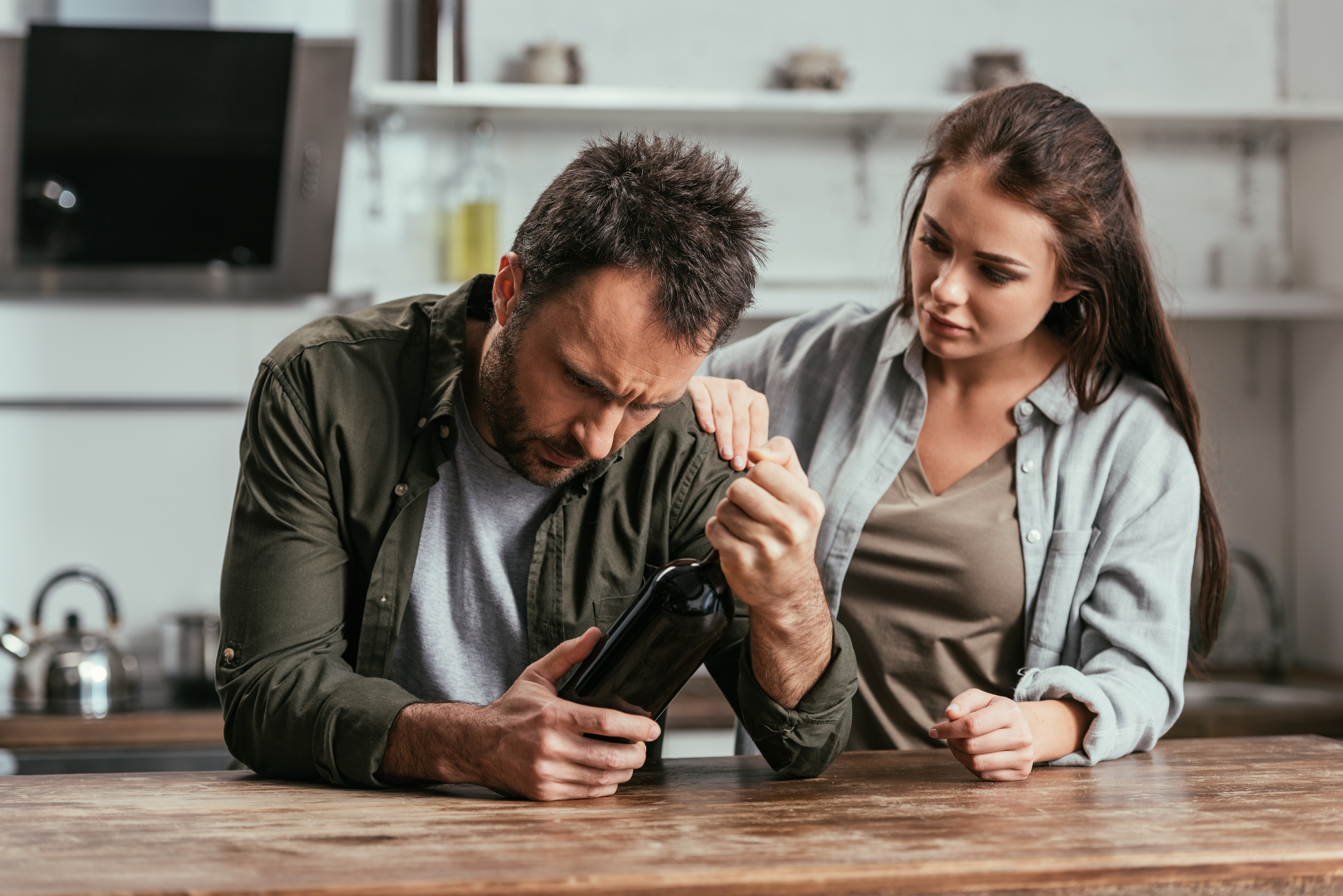
Many people who try to stop drinking "cold-turkey" end in emergency rooms because of severe withdrawals symptoms. Intoxication can trigger seizures as well as other life-threatening complications therefore it is essential to seek help from a professional. Inpatient detox programs provide 24-hour care and supervision in order to prevent these problems. They also offer group therapy and socialization to aid in recovery.
Inpatient detox is a great alternative for those suffering from co-occurring mental health problems such as bipolar disorder or depression disorder. These conditions can make detox difficult and increase the risk for the possibility of relapse. Inpatient detox may also be advised for those who have a history extreme withdrawal symptoms, such as delirium-tremens.
The most successful detox programs use an holistic approach and address the whole person. They employ a variety therapeutic methods, including motivational therapy, individual therapy and other types of therapy. They train patients to identify and overcome negative effects of their addiction and develop a positive outlook for recovery.
Finding assistance for your addiction is the first step towards a life of sobriety. Many treatment centers offer detox programs in addition to their outpatient or residential programs. If you're considering detox programs, inquire about the duration of the stay and the cost.
Online therapy
Individuals who have a severe issue with alcohol may require assistance in quitting drinking. This process is called detox, and it involves a medically-supervised withdrawal from alcohol. It may include sedative drugs like barbiturates and benzodiazepines. These medications are used to reduce anxiety, manage withdrawal symptoms, and prevent seizures. Herbal supplements like Ashwagandha and St. John's Wort can aid in reducing alcohol withdrawal and cravings. Other methods to stop drinking include diet changes, exercise, meditation, and self-guided programs. Many recovery groups also have support groups available online.
The withdrawal process can be extremely uncomfortable, and can result in seizures or delirium. It is therefore important to seek treatment from a licensed medical professional for alcoholism. If withdrawal from alcohol isn't properly addressed, it could be fatal. Based on your situation, you may be eligible for an outpatient detox program which offers medically assisted alcohol withdrawal. A detox clinic will provide 24/7 monitoring to help you avoid serious negative effects.
Numerous alcohol counselors are accessible via telehealth, which is a new type of therapy that uses technology to deliver care. This method of alcohol therapy has been proven effective and can be a viable option for those who have limited access to outpatient or inpatient treatment. You can find a therapist who will assist you in overcoming alcohol dependence using the telehealth services offered by BetterHelp. You can also locate a therapist who specializes in alcohol-related disorders.
The RCA Navigator will help you find a therapist with the most relevant background and experience for your. A lot of these doctors are available via video or phone conference. You can also look through the NIAAA's list for telehealth resources for help finding high-quality therapists.
There are board-certified doctors to assess your health condition and prescribe medications to treat alcohol-related disorders. A lot of these doctors offer telehealth services so you can talk to them from your home. You can use the RCA Navigator when you have a health plan to find doctors who accept your coverage. You can also make use of the NIAAA tool to find a doctor that specializes in alcoholism.